What Are Veneer Doors? Types, Benefits & How to Choose
Real wood on the surface, an engineered core underneath. Here is what that means for your home — and how to pick the right one.
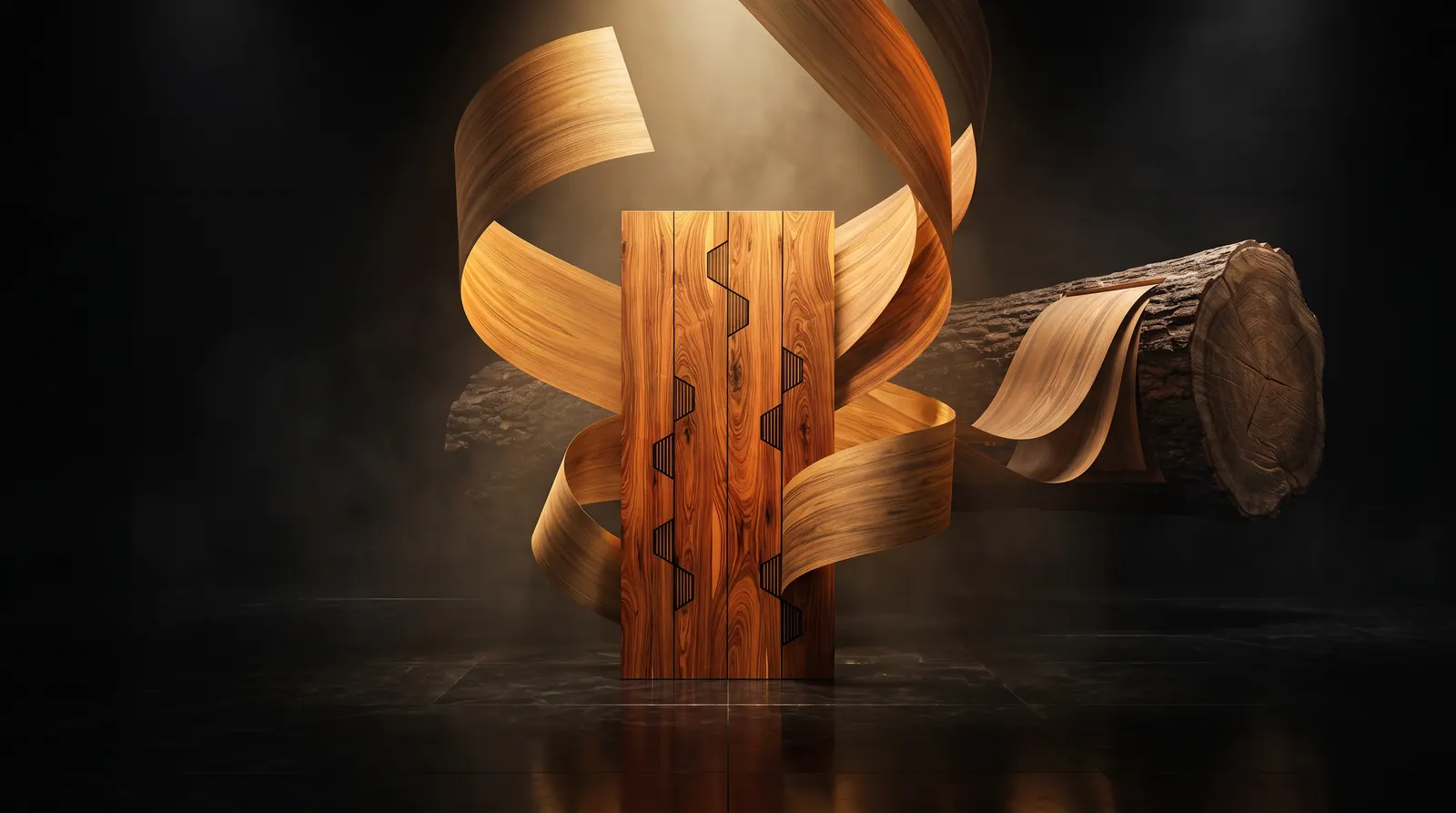
Order two veneer doors from the same batch and you will spot a difference. The grain on one never quite matches the other. Each door carries a sheet sliced from a different part of a real log, so the pattern shifts every time. That small detail explains what veneer doors really are. The surface is genuine wood, while the body underneath is engineered for strength.
A veneer door has a thin slice of real wood — the veneer — bonded over an engineered core that gives it shape, weight and strength. The grain, texture and colour you see are genuine wood.
This guide walks through what a veneer door is made of and the main types you will see in showrooms. You will also find honest pros and cons, the rooms where these doors work best, and three questions to ask before you buy. Along the way, you can browse real examples in the WudGres veneer door collection.
In this article
What a veneer door is actually made of
Picture a veneer door as two layers working together. On the outside sits the veneer itself, a thin slice of real wood. Beneath it is the core, which gives the door its shape, weight and strength.
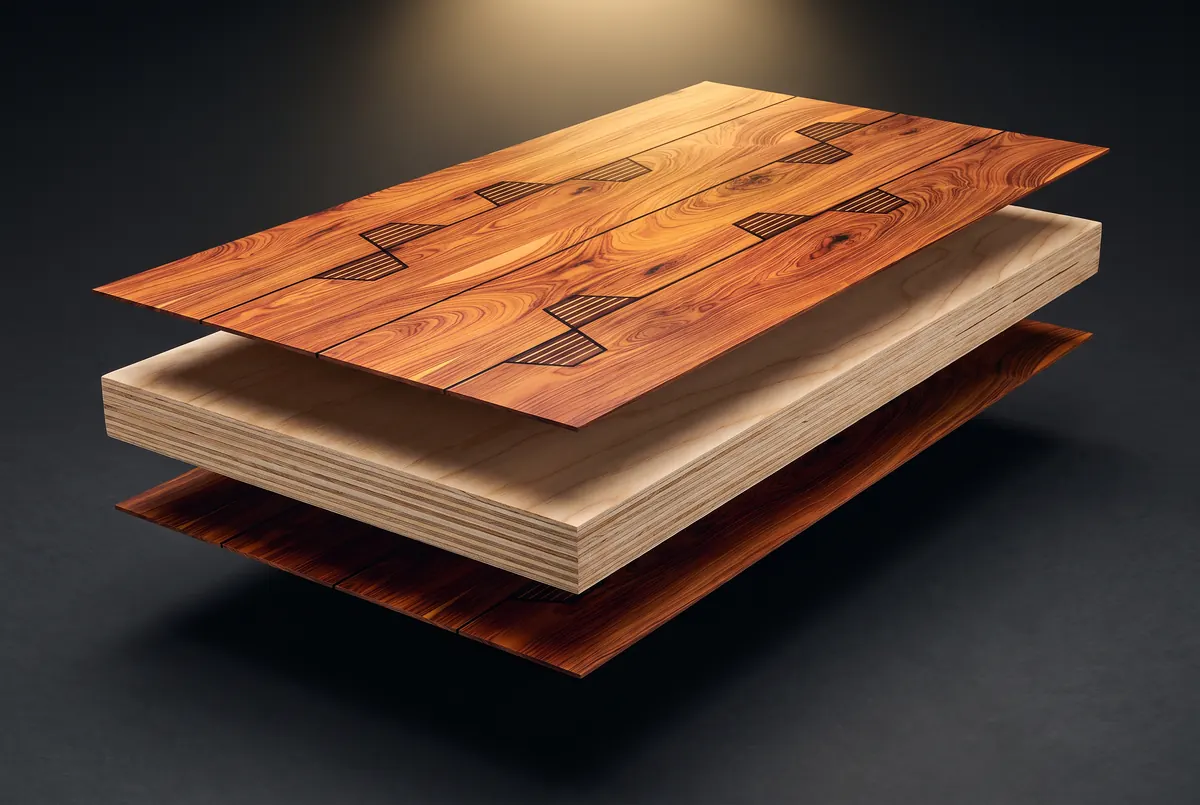
Many wooden veneer doors leave the factory in a raw finish. The wood arrives unpolished, and a polisher applies the final coat on site. WudGres teak veneer doors are supplied this way, which lets you choose the exact sheen and tone you want.
Is a veneer door real wood?
Yes, the surface you see and touch is real wood. Only the inner core is engineered, usually from wood-based boards. So the grain, texture and colour come straight from the tree, not from a printed sheet.
The main types of veneer doors you'll come across
Walk into any door showroom and the choices can blur together quickly. Sorting them into three simple groups makes the decision much easier.
Natural veneer vs engineered veneer
Natural veneer doors use sheets sliced straight from a log. Every sheet shows its own waves, knots and colour shifts, so no two doors look identical. People who love the character of real timber usually lean this way.
Engineered veneer, sometimes called reconstituted veneer, also starts as real wood. Manufacturers slice it, dye it and rebuild it into a more uniform pattern. Builders and designers like it when twenty doors across one project need to look consistent.
Veneer by wood species
The species sets the colour and mood of the door.
- Teak shows golden-brown grain and deepens in tone as it ages.
- Walnut brings darker, chocolate tones that suit formal spaces.
- Oak has a lighter, open grain that fits modern homes well.
- Ash looks pale and clean, which helps smaller rooms feel brighter.
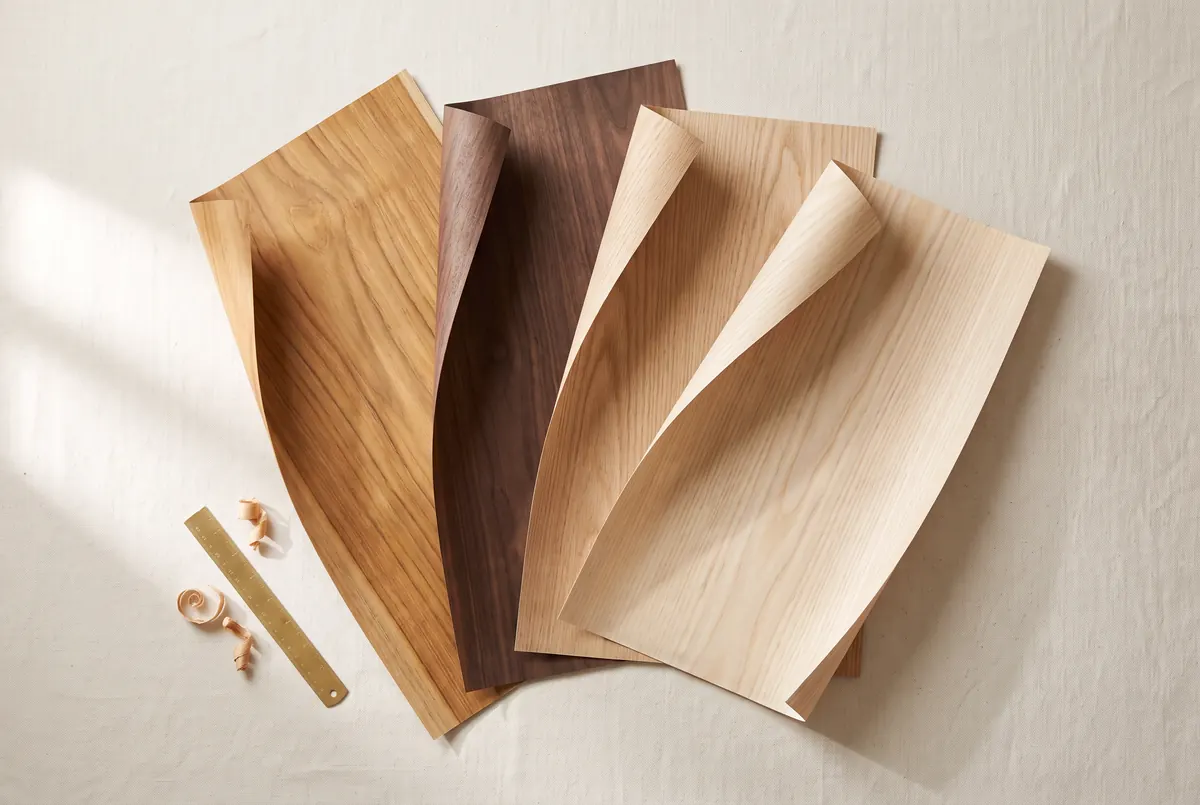
If teak appeals to you, browse the WudGres teak veneer door range. It offers six natural teak designs in sizes up to 96 inches high and 48 inches wide.
Veneer flush doors vs designer veneer doors
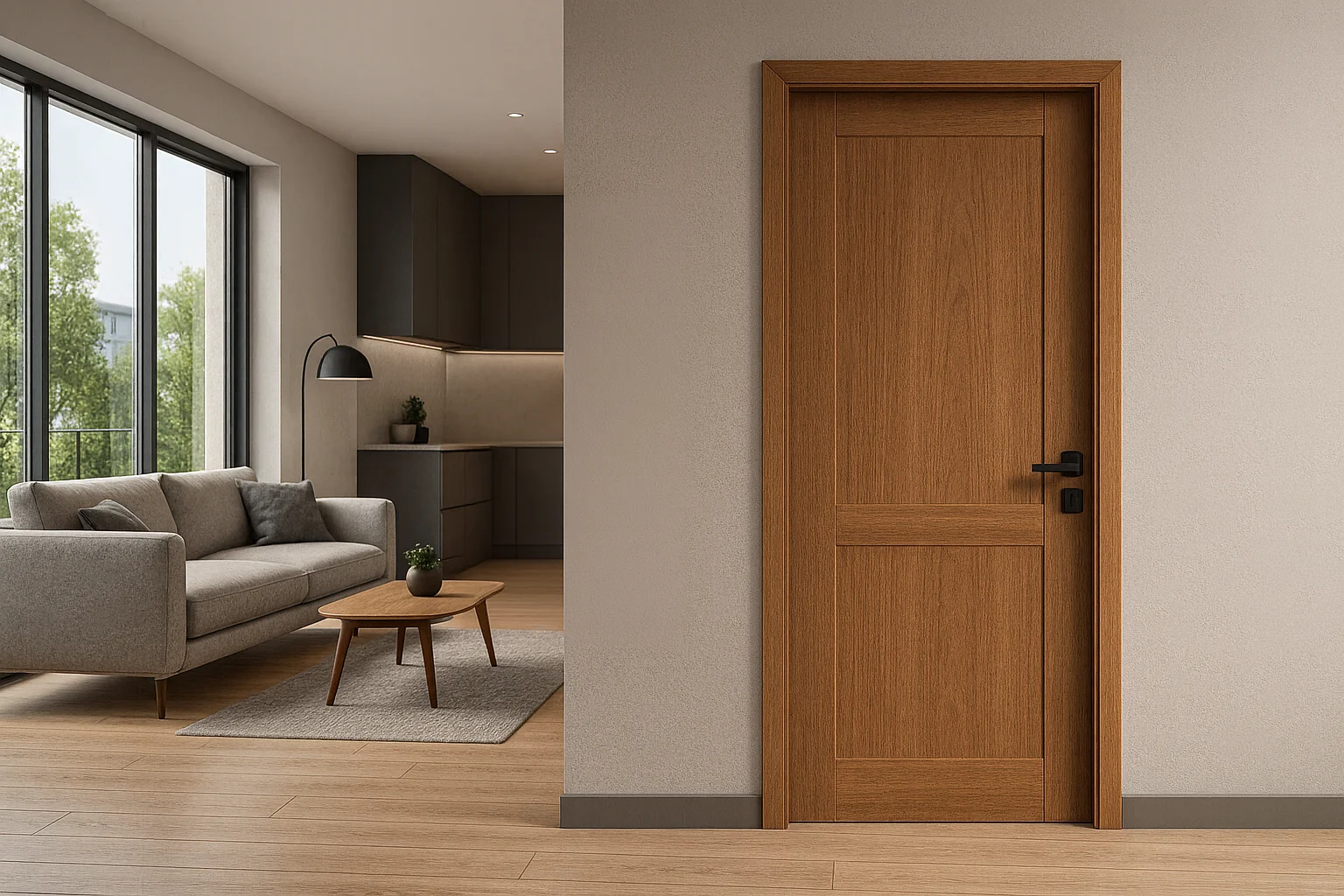
Veneer flush doors have a plain, flat face that lets the grain speak for itself. Designer doors add grooves, inlays, panels or contrasting tones for extra detail. Flush styles suit calm bedrooms, while designer styles suit main doors and living spaces.
WudGres groups its designer veneer doors under the Ven Decor name, with 39 designs across four series. You can explore every series on the Ven Decor veneer doors page.
Why many homeowners pick veneer over solid wood
Solid wood sounds like the premium choice, yet it has a weak spot. Timber expands and shrinks as humidity rises and falls through the year. Over time, solid doors can warp, crack or stop closing properly. A veneer face bonded to an engineered core stays far more stable through those seasonal swings.
Cost plays a big part too. A veneer door gives you the look of teak or walnut without paying for a solid slab of either. That frees up budget for better hardware, a quality polish or more doors in the same finish.
Veneer also makes better use of each tree. One log yields many thin sheets, so far more door surface comes from the same timber. For buyers who care about responsible material use, that difference matters.
The design range is wider as well. Solid wood limits you to whatever planks are available in the right size. Veneer opens up bookmatched patterns, mixed species and grooved designs that would be costly or impractical in solid timber.
Where veneer doors fall short
No material is perfect, and veneer has a few limits worth knowing upfront.
Direct sun and rain are its biggest enemies. Strong afternoon sunlight can fade the finish, and water can lift the edges if the sealing is poor. Doors facing a balcony or an open entrance need a protective, UV-resistant topcoat.
Scratches also show more easily than on laminate. A veneer surface can be sanded and re-polished, but doors in busy areas will need that attention from time to time.
Shade variation is the other trade-off. Because each sheet comes from real wood, colour and grain differ slightly from door to door. Most buyers love this, though anyone wanting perfect uniformity across a home may prefer laminate.
Knowing these limits early keeps your expectations realistic. Choose the right finish and place the door sensibly, and veneer will reward you for years.
Which rooms suit veneer doors best
Bedrooms, study rooms and living room doors are the strongest fit. These spaces stay dry, see moderate use and benefit most from warm wood tones. Pooja room doors are another good match, since rich grain adds warmth to the space.
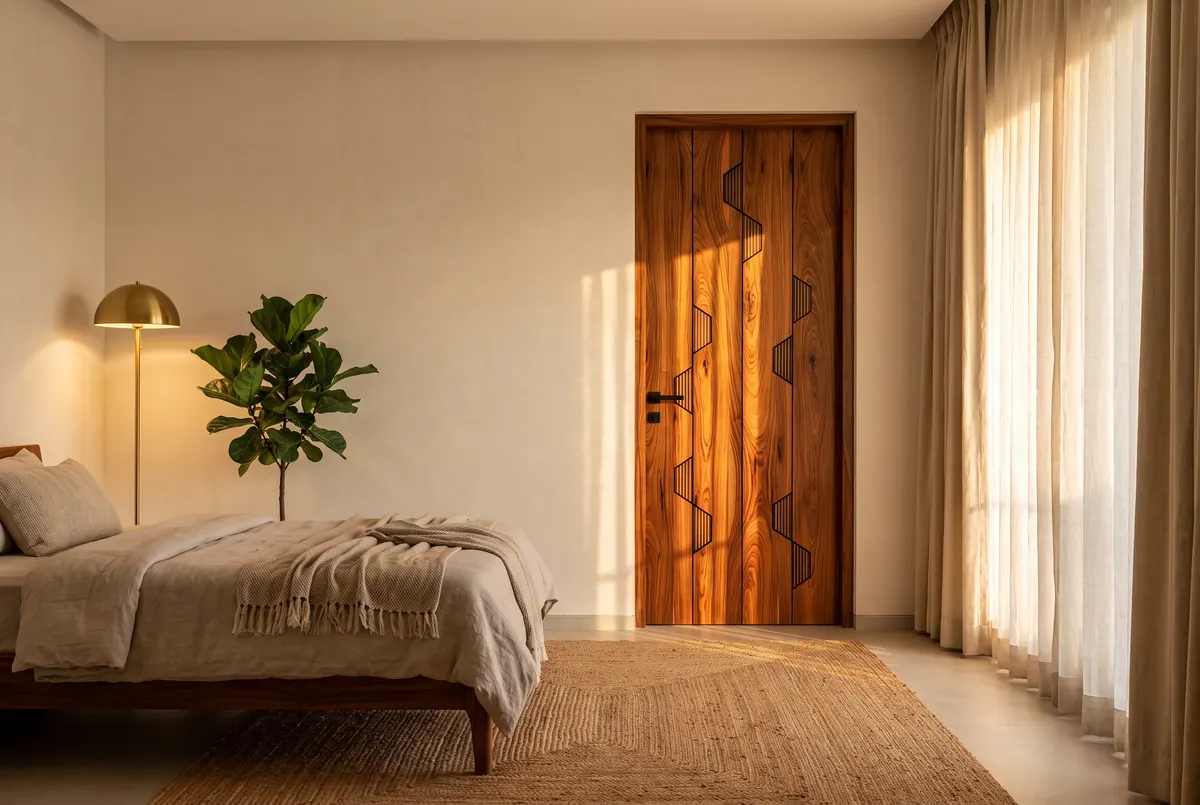
Main doors can also work well with veneer, provided the entrance is shaded or covered. Pair the right core with a weather-resistant finish, and a veneer main door can make a striking first impression.
Bathrooms and wet utility areas are a different story. Constant splashing and steam will damage even a well-sealed veneer face. For those rooms, look at moisture-resistant options in the WudGres product range instead.
Three questions to ask before you buy
A few direct questions at the store will save you from costly surprises later.
- What is the core made of, and what grade is it?A good supplier answers this clearly and can show you the grade marking.
- Does the door arrive raw or pre-finished?Raw doors need a skilled polisher on site, so plan for the extra time and labour.
- Can I see a full-size door before ordering?Small chips rarely show how grain flows across a whole door. Visit a WudGres studio to see finished doors in person.
For standard heights, widths and thicknesses, check the WudGres size table before you measure your door frames.
Questions people often ask about veneer doors
Are veneer doors durable enough for daily use?
Yes, provided the core is good quality and the surface is properly finished. Interior veneer doors handle normal opening, closing and cleaning without trouble. Keep them away from constant water and harsh sun for the best results.
How long do veneer doors last?
A well-made veneer door can serve a home for many years with basic care. Periodic re-polishing keeps the surface looking fresh and protected. WudGres doors are also backed by a three-year limited warranty from the date of shipment.
Can a veneer door be polished again later?
Yes, and this is one of its biggest advantages over laminate. A skilled polisher can lightly sand the surface and apply a fresh coat. Ask them to sand gently, because the veneer layer is thin.
Are veneer doors eco-friendly?
They use timber more efficiently than solid wood doors, since one log produces many veneer sheets. How green a door really is also depends on responsible sourcing and the adhesives used. Ask your supplier about both before you buy.
So, is a veneer door right for your home?
Veneer doors give you real wood on the surface and a stable engineered core underneath. They suit bedrooms, living spaces and sheltered main doors, and they ask for sensible care in return. Choose the core first, then pick the species and finish that match your interiors.
Ready to see how this looks in a real door? Browse the WudGres veneer door collection, explore teak veneer doors, or view every design in the door catalogue.